
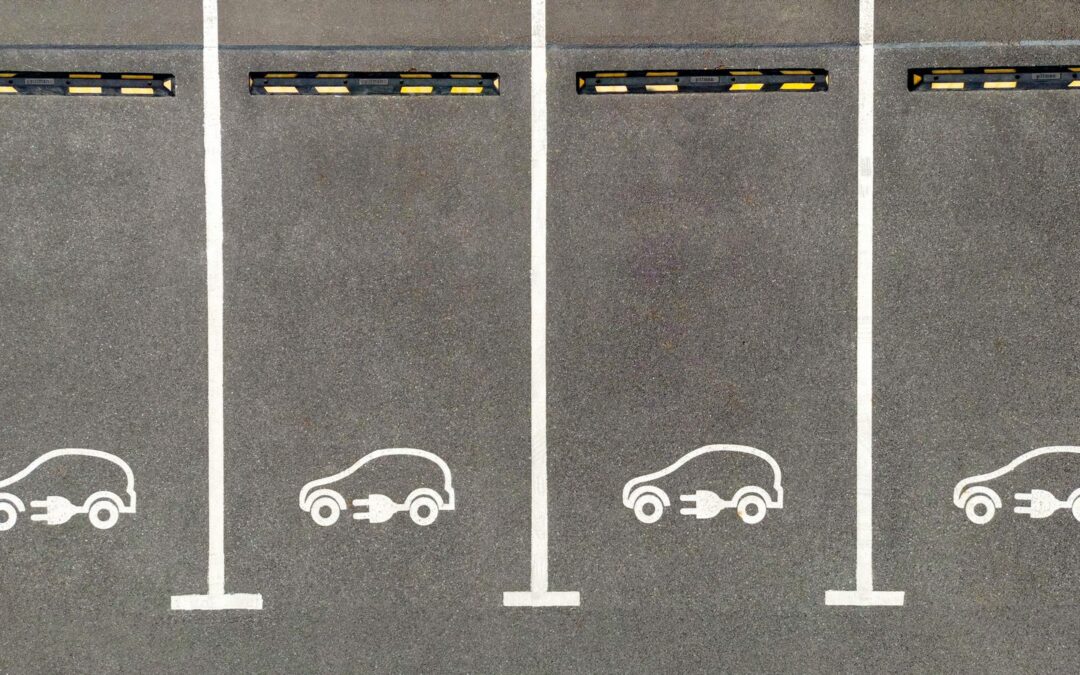
The Local Electric Vehicle Infrastructure (LEVI) fund has moved from announcement to delivery. The fund, which has awarded capital funding to local authorities across England, is being turned into chargepoint operator concessions, procurement exercises and, increasingly, holes in the ground. Most of the attention has been on the street: lamp-post chargers, residential bays, the politics of who gets one outside their house.
Car parks have had less of the limelight, which is odd, because councils already own the land, have power, and run a payment and enforcement operation there. If you have just been handed a share of a LEVI programme, this post is about making charging part of the car park rather than something bolted on.
Start with where people already stay
A charger’s usefulness depends on dwell time. A 7kW unit in a 30-minute short-stay bay delivers a few miles of range and a lot of frustration. The same unit in a long-stay commuter car park or a hospital staff site can fill a battery over the working day.
Your parking data already tells you where the long stays are. Before agreeing a siting plan with a chargepoint operator, put average dwell time by site and bay zone next to the proposed layout. The gap between “where the ducting is cheapest” and “where people actually park for four hours” is the most common reason early charging bays sit empty.
Two other siting points: avoid the bays nearest the entrance, since giving the spaces everyone wants to charging breeds resentment; and think about lighting, since an overnight charging bay needs to feel safe.
Stop bay blocking before it starts
Ask any EV driver what annoys them most about public charging and “ICE-ing” comes up quickly: a petrol or diesel car in a charging bay, or an electric car left plugged in long after the battery is full. Either way the bay is doing nothing.
This is an enforcement problem, and the parking operation is better placed to solve it than the chargepoint operator. If your car park runs on ANPR, the camera already knows when each vehicle arrived. Link that to the charger’s session data and you can see a vehicle in a charging bay with no active session. That is the trigger for a penalty charge notice under a properly signed traffic regulation order, or an overstay tariff once charging finishes, whichever your policy prefers. The rule is applied consistently and the evidence timestamped, rather than relying on an officer walking past at the right moment.
One payment, not two
A driver who pays for parking on one app and charging on another, with separate accounts, receipts and helplines, will remember the experience and not fondly. Where possible, parking and charging should be one transaction, or at least one account.
This is where integration between the parking platform and the chargepoint back office earns its keep. Sagoss’s platform is designed to work alongside chargepoint back offices and can integrate EV charging into the wider parking payment and enforcement flow, so a charging session and a parking stay can be recognised as the same vehicle and reconciled together. One payment for the driver; one ledger for your finance team.
Accessibility applies here too. Chargers that can only be started from a smartphone exclude drivers who do not have one. Card readers on the unit, or starting a session from the car park kiosk, keep the service open to everyone.
Treat charging as part of the occupancy picture
Once charging bays are live they are part of the car park’s capacity, and they belong in the same occupancy view as everything else. A parking manager on Blink Enterprise should see at a glance how many charging bays are occupied, charging or blocked.
That data informs the next decision. Full every weekday by 09:00? You have a case for the next tranche of funding. Empty on Saturdays? A lower weekend tariff may bring in shoppers. Barely used at one site? The siting was wrong, and better to know before the concession is extended.
A realistic view of revenue
LEVI is a capital fund. The revenue case rests on the concession terms and on what charging does to the car park around it. Charging can increase dwell time, draw new visitors and support the town centre, but income directly attributable to the electricity is usually modest and often shared. Build the business case on the whole car park, not the kilowatt-hours.
If you are working through a LEVI programme and want to talk about how charging fits alongside payment, permits and enforcement, talk to the Sagoss team.