
Ask ten parking managers whether barriers beat barrier-less ANPR and you will get ten answers, most ending with “it depends”. That is the honest position. Both models work well when matched to the right site, and both cause trouble when they are not.
We supply and support both, so we have no reason to push you one way. Here are the questions we work through with clients before recommending either, plus the case for not choosing at all.
How the two models actually differ
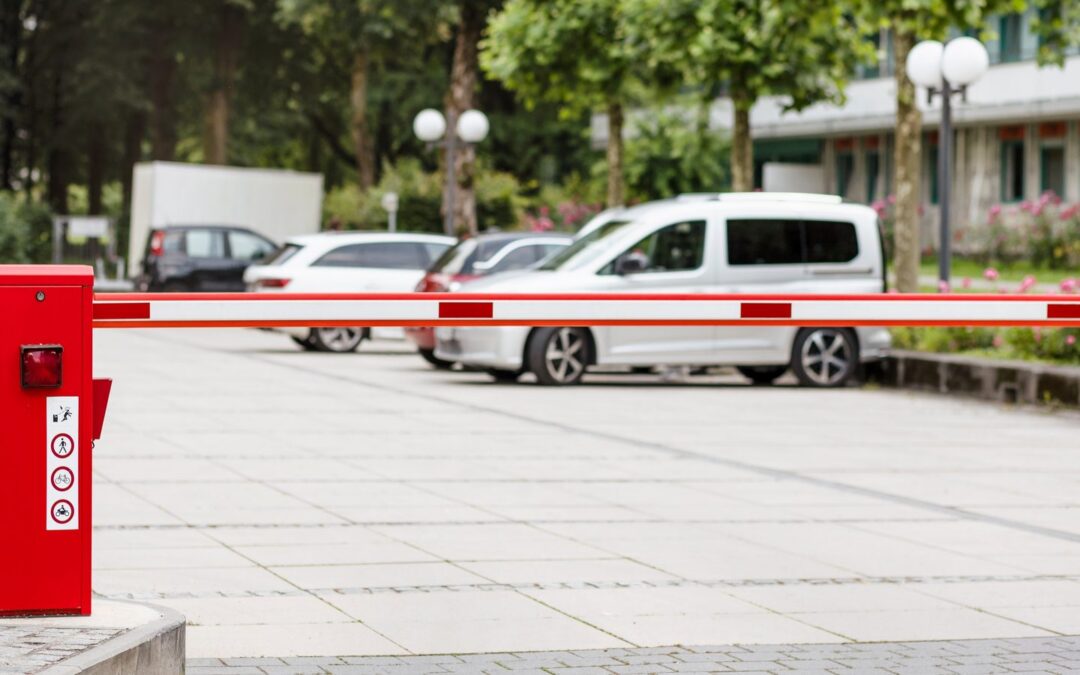
A barrier car park controls physical access. The driver takes a ticket, taps a card or is recognised by ANPR at the entry lane, and the barrier lifts. Payment is confirmed before the exit barrier releases them. Nobody leaves without settling up, which is the model’s great strength.
A Freeflow car park has no barriers at all. Cameras read the registration on entry and exit, the system calculates the stay, and the driver pays at a kiosk, by app, online or by phone within a grace period. Anyone who does not pay receives a parking charge notice by post. Compliance is managed after the fact rather than at the gate.
Everything else, from queues to maintenance bills, flows from that difference.
Dwell time and the driver experience
If your site has a sharp peak, say a station car park at 07:45 or a hospital visitor car park when the wards open, barriers create queues. Every ticket pull or card tap adds seconds, and those seconds compound across a lane. Freeflow removes the stop altogether, so traffic keeps moving.
Against that, barriers give drivers certainty. They know the car park is controlled, they know when they have paid, and they will not receive a surprise charge weeks later. For older or less digitally confident drivers, a clear exit and a well-placed kiosk are genuinely reassuring. Whichever model you choose, an accessible payment mix with a physical kiosk alongside app and web options matters, and it matters more in a Freeflow site where the responsibility to pay sits with the driver.
Cost, maintenance and the things that break
Barrier equipment is mechanical. Arms get hit, loops fail, ticket paper runs out, intercoms ring at two in the morning. A barrier site carries a higher support load, so you will want a supplier with quick spares and engineer response. The upside is that capital cost per lane is well understood and revenue leakage is minimal.
Freeflow shifts the spend to cameras, connectivity and back-office software. There is far less on site to damage, and no arm to replace when a delivery van misjudges it. The cost that catches people out is enforcement: issuing, managing and defending parking charge notices takes process and a reliable system.
Enforcement and reputation
Barrier enforcement is largely self-executing. Freeflow enforcement is a relationship with your customers, and worth treating as one. Clear signage, a sensible grace period, easy payment routes and a fair appeals process keep complaints low and protect your reputation. Where councils and NHS trusts have gone barrier-less, the ones that have done it well have invested as much in communication as in cameras.
Data is the other quiet advantage of ANPR. Behind a barrier or in a Freeflow lane, camera-based entry gives you accurate occupancy, dwell and repeat-visit information that a ticket machine never could. On a platform like Blink, that data sits alongside your tariffs, permits and enforcement, so you see the whole car park rather than a set of disconnected devices.
When each model wins, and the hybrid option
Broadly, barriers suit sites where revenue protection is the priority, throughput is moderate and someone is nearby to respond to issues: multi-storey city centre car parks, secure staff compounds, premium leisure destinations. Freeflow suits high-throughput or unstaffed sites, short-stay retail, park and ride, rail and anywhere a queue at the entrance hurts the customer experience or backs up onto the highway.
Many of the best-performing estates use both. A hospital might run barriers on its staff car park and Freeflow for visitors. A university might keep barriers at a secure halls compound while its main campus car parks go barrier-less. The decision is made site by site, not estate by estate, and the two can share one back office.
Deciding for your site
Before you commit, walk the site at its busiest hour, read your complaint log, check who can realistically respond to a stuck barrier, and be honest about your appetite for post-payment enforcement. If you would like a second pair of eyes, we have installed both models across councils, hospitals, universities and rail, and we are happy to talk it through. Book a Blink demo or get in touch.