
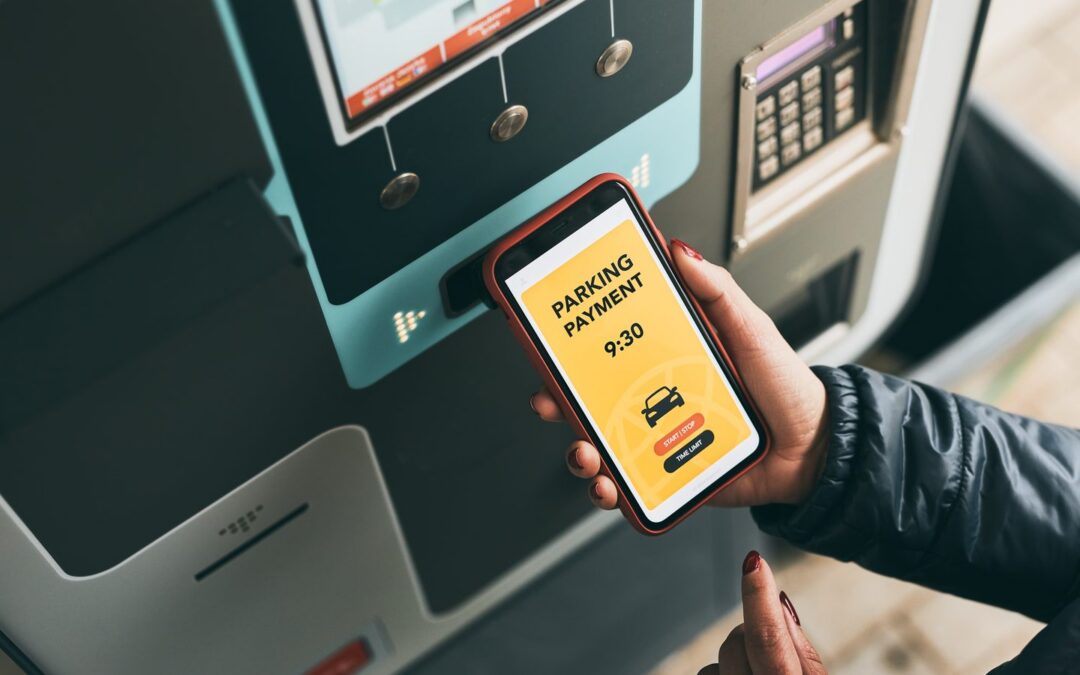
If you manage parking for a council, you have probably had the letter. The Department for Transport has been writing to local authorities encouraging them to join the National Parking Platform, and a growing number of councils have either gone live or announced that they will. The phrase you will hear most often is “pay with any app”, and that is a fair summary. But behind the simple promise sit some real decisions about data, contracts and systems.
This post explains what the NPP is in plain terms, where the benefits and risks lie, and what “ready” looks like in practice.
The NPP in one paragraph
Today, most councils contract with a single cashless provider. A driver arriving from the next borough finds a different app, downloads it, sets up an account and pays. The NPP replaces that with a shared national hub. The council publishes its locations and tariffs once; any approved payment provider can then offer those locations to its users. The driver uses whichever app they already have, the payment is routed to the council, and enforcement sees a single record of who has paid regardless of app.
The platform is run on a not-for-profit basis, with the DfT having supported its development and now encouraging adoption. Participating councils and providers are listed at npp.org.uk.
Why councils are joining
The most visible benefit is for drivers, particularly residents who travel across council boundaries. One app for the whole journey removes a genuine irritation and reduces penalty charge notices issued to people who simply could not work out how to pay.
For the authority, the case is about choice and control. You are no longer locked to a single provider’s roadmap, pricing or customer service. Providers compete on the quality of their app rather than on exclusive contracts, and you retain ownership of your location and tariff data. Some early adopters have also reported higher digital payment uptake after opening up to more apps, though ask the platform team for current figures.
There is an accessibility dimension too. If more drivers can pay through an app they already trust, fewer are pushed towards unfamiliar downloads. That said, the NPP is a digital channel. It does not remove your duty to keep kiosk, phone and where appropriate cash options for people who cannot or will not use a smartphone.
The risks worth naming
Joining is not a switch you flick. The commonly reported challenges fall into three groups.
- Data quality. The platform needs clean, structured location and tariff data. Many councils discover their tariffs exist as a mix of legal orders, spreadsheets and signage that do not quite agree with each other.
- Contract timing. If you are mid-term with an exclusive cashless provider, you may need to negotiate a variation or wait for a break point. Newer procurements increasingly build NPP compatibility in from the start.
- Back-office integration. Your enforcement system must be able to check payments made through any provider, not just your incumbent’s. If it cannot, civil enforcement officers end up issuing PCNs to drivers who have paid.
None of these are reasons not to join. They are reasons to plan.
What getting ready looks like
In our experience of working alongside council parking teams, the preparation that pays off is unglamorous.
Start with a tariff audit. Reconcile your traffic regulation orders, published tariffs and on-street signage, and fix the discrepancies before you publish anything. Then give every location a consistent identifier that your enforcement, permit and payment systems all recognise.
Next, look at your contracts. Check the exclusivity and termination clauses in your cashless agreement and speak to the provider early; most established names are already NPP participants or working towards it.
Finally, test your enforcement workflow end to end. A CEO on the street should see one clear payment status for a vehicle, whatever the source. If that needs a system change, it is better to know now.
Where a platform like Blink fits
The NPP handles payment routing. It does not run your car parks. You still need somewhere to manage tariffs, permits, ANPR, kiosks, enforcement and reporting, and that is the layer where Blink sits. Our approach is to be platform-agnostic and integration-ready, so that Blink can integrate with the NPP and payments made through it appear alongside kiosk, ANPR and permit data in one view rather than in another silo.
For councils buying through frameworks such as ESPO 509, write NPP compatibility into your requirements explicitly, so every bidder addresses it.
If you are weighing up when and how to join, we would be glad to talk through your setup. Contact the Sagoss team or book a Blink demo.